ASTRAVOYAGE

02 · Destinations

Four horizons, from orbit to the outer dark.

Real numbers about real places — paired with clearly labelled ideas for how ASTRAVOYAGE imagines visiting them.
Scientific fact
established science
Future concept
ASTRAVOYAGE idea or aspirational target
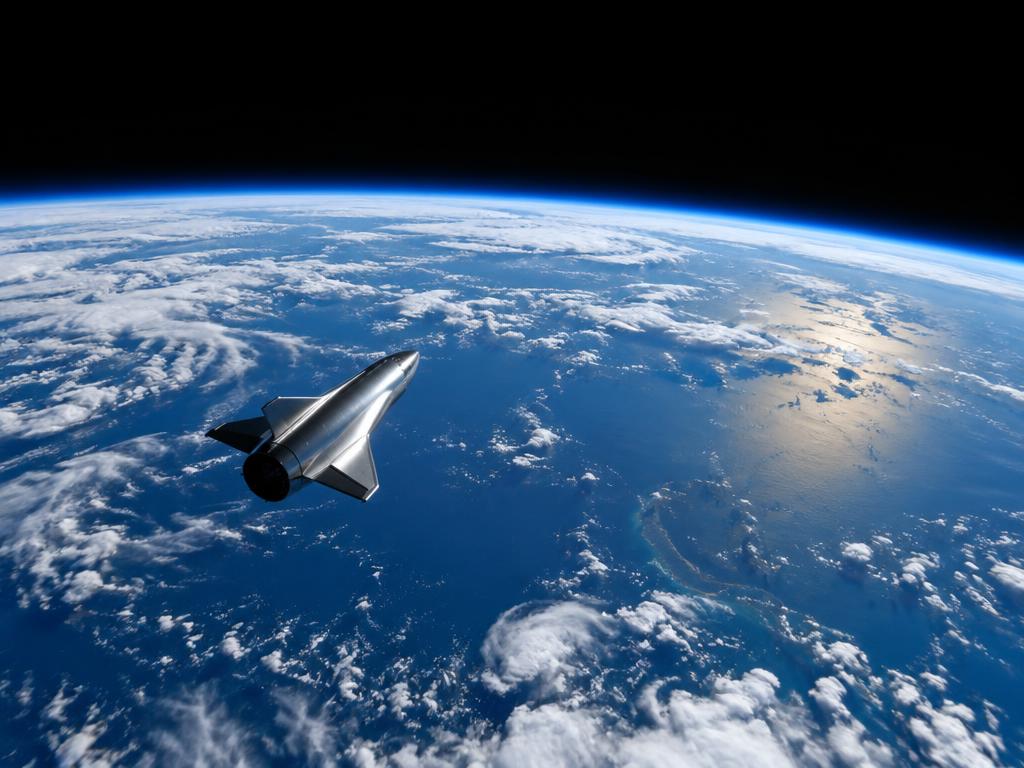
Earth Orbit — illustrative view

01 · LEO · 400 km

Earth Orbit

Circle the planet every ~90 minutes and watch sixteen sunrises in a single day.

Scientific fact
Typical altitude
~400 km
Orbital speed
~7.7 km/s
One orbit
~92 minutes
Future concept

Envisioned as the first ASTRAVOYAGE tour: a multi-day orbital stay with panoramic viewing decks.
I'm interested in Earth Orbit
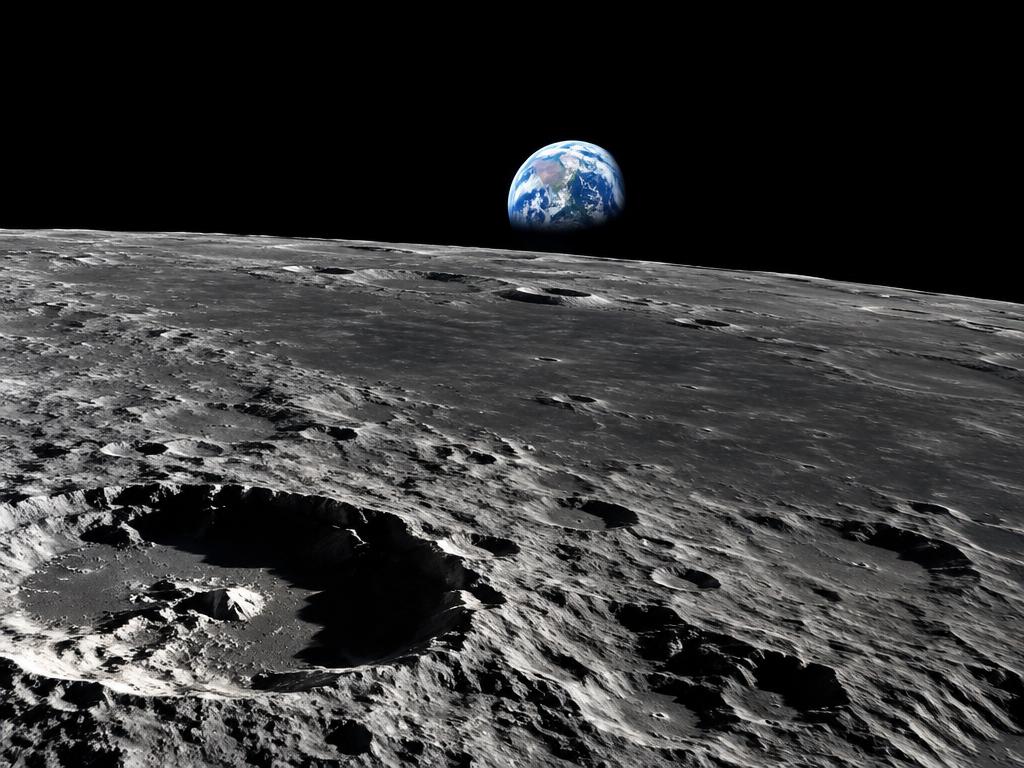
The Moon — illustrative view

02 · LUNA · 384,400 km

The Moon

A free-return loop around the far side, with Earthrise over a cratered horizon.

Scientific fact
Average distance
384,400 km
Transit time
~3 days
Surface gravity
0.165 g
Future concept

A future lunar flyby concept that would follow successful orbital tours.

I'm interested in The Moon
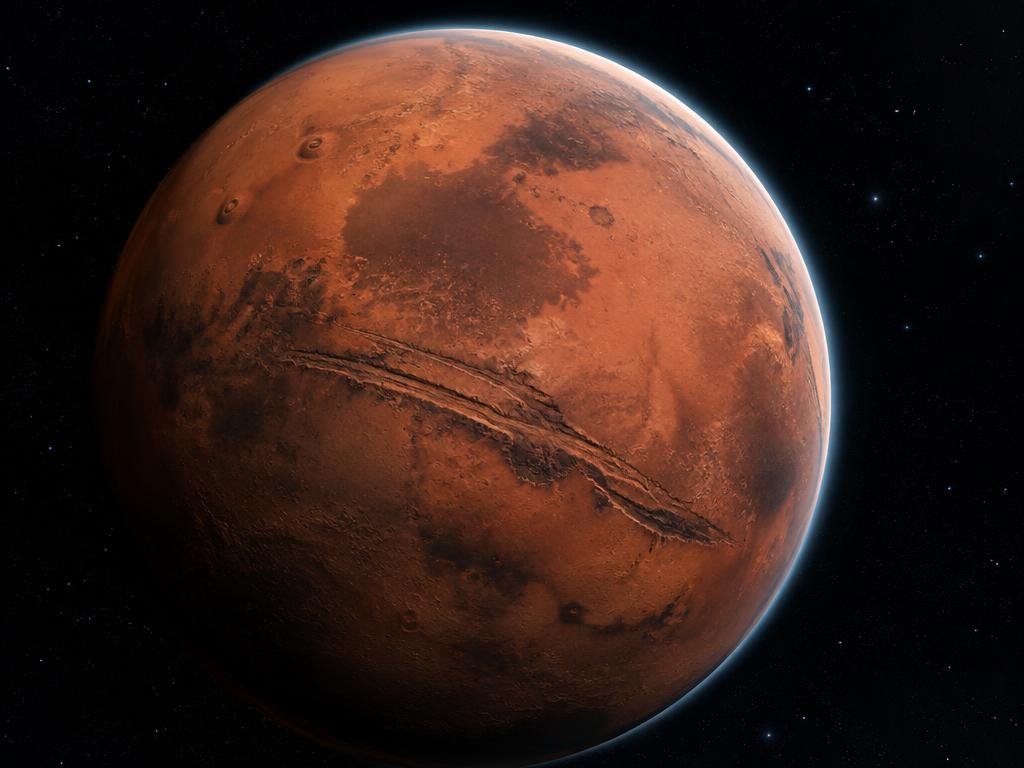
Mars — illustrative view

03 · MARS · 55–400 M km

Mars

The red frontier — a voyage measured in months, not days.

Scientific fact
Distance range
~55–400 million km
Transfer time
~6–9 months
Launch windows
Every ~26 months
Future concept

A long-horizon concept that depends on orbital refuelling and closed-loop life support.

I'm interested in Mars
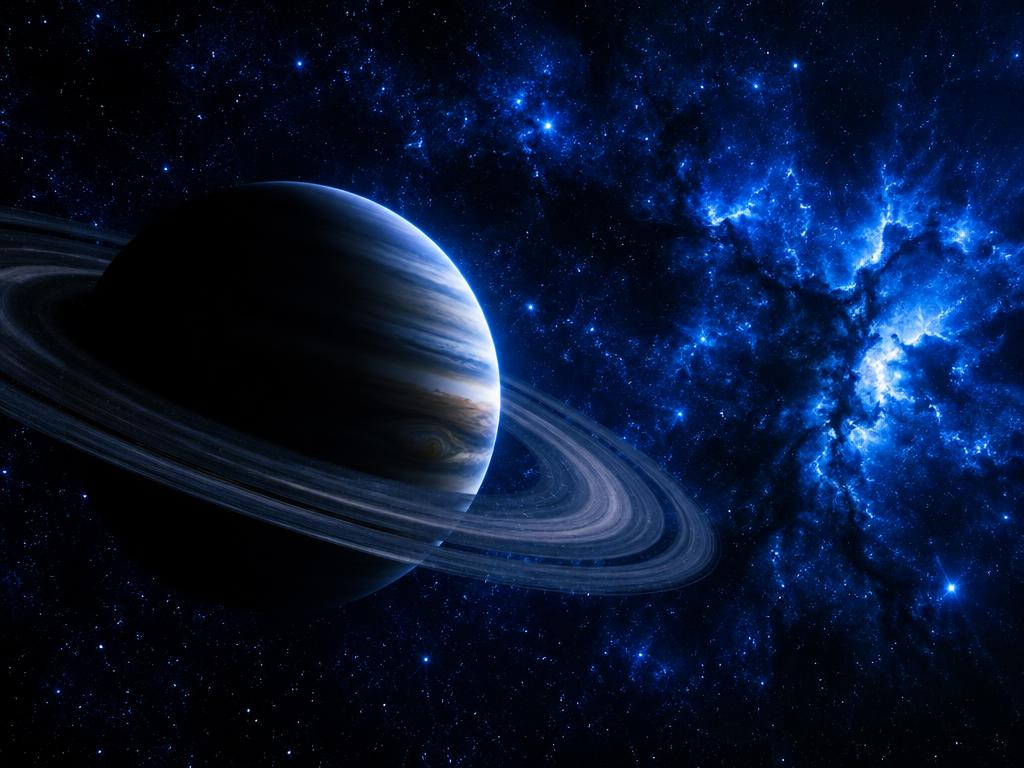
Deep Space — illustrative view

04 · BEYOND · OUTER SYSTEM

Deep Space

Gas giants, icy moons and the quiet dark between the worlds.

Scientific fact
Jupiter distance
~5.2 AU
Light from Sun
~43 min to Jupiter
Saturn distance
~9.5 AU
Future concept

A visionary horizon goal — far beyond 2050 and beyond today's technology.

I'm interested in Deep Space